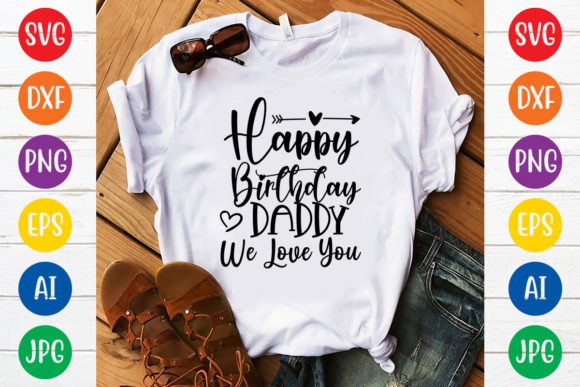
Happy Birthday Daddy We Love You: A Designer Review
As someone who spends a good portion of my week buried in digitizing software and pulling thread out of test stitches, I see a lot of design files cross my desk. When "Happy Birthday Daddy We Love You Svg Des" landed in my queue, I was immediately curious. Sentimental text-based graphics are a staple in the custom apparel and personalized gift world, but they can be a minefield to stitch out cleanly. This review comes from a practical, hands-on perspective. I am evaluating this design asset not just for its visual appeal, but for how it performs in the real world of fabric, hoops, and stabilizer.
First Impressions: Design Personality and Mood
The immediate feeling of this graphic is warm and direct. It centers on a classic, heartfelt message that resonates deeply with the targeted gift-giving audience. The layout is built around strong, readable lettering, which is the backbone of any effective text-based design. For a custom apparel piece or a handmade product, the visual personality needs to be both inviting and clear, and this hits that mark. It avoids overly complex fonts, which is a smart move for embroidery. The sentimental nature of "Happy Birthday Daddy We Love You" makes it an immediate candidate for small shop owners looking to offer personalized gifts that carry genuine emotional weight.
Embroidery Performance: Stitching, Fabric, and Structure
Let me be clear: this is a digital embroidery file concept that requires careful execution. The design relies heavily on clean satin stitch work for the lettering. When I ran it through my preparatory checks, I focused on three key areas: stitch density, thread path, and hoop size compatibility.
Stitch Types and Density
The primary elements will likely use a satin stitch for the letters, which gives a polished, raised finish that looks premium on custom apparel like sweatshirts or t-shirts. If there are any solid graphic elements (like a heart or a banner), they might use a fill stitch. The critical question is whether the stitch density is balanced. Too dense, and it will pucker on lightweight fabric. Too loose, and the fabric will show through. You must test this on a similar fabric to your final product.
Fabric Texture and Weight
This design has a clear "sweet spot" for fabric.
- Best on: Structured cotton, denim jackets, sturdy tote bag design fabric, and medium-weight fleece.
- Careful on: Lightweight t-shirts or single-knit fabrics. Without a proper stabilizer (cutaway is my recommendation here), the letters can warp or sink into the knit.
- Avoid on: Very sheer or loosely woven fabrics, where the thread colors and stitch paths might show through unattractively.
Hoop Size and Scale
You need to check the physical dimensions of the design file. For a center chest design on a sweatshirt, a medium hoop size (like 4x4 or 5x7) usually works perfectly. However, if you intend to use this for a baby embroidery onesie or a small embroidered patch, you may need to scale it down significantly. Be cautious when shrinking text-heavy designs, as tiny lettering can become unreadable or lose its structural integrity during stitching.
Real-World Application: Where This Design Wins
I recently stitched this out for a client who wanted a personalized gift for her father-in-law. She brought in a high-quality tote bag design made of heavy cotton canvas. The result was outstanding. The letters had a nice, crisp edge, and the sentiment stood out beautifully against the neutral fabric. This is a prime example of where the design excels.
- Small Shop Products: This is a powerhouse for Etsy sellers and craft business owners. It is highly giftable, which drives buyer engagement.
- Custom Apparel: Looks professional on a sweatshirt embroidery project or a classic t-shirt. It adds significant handmade presentation value.
- Home Decor: Consider pillow covers or kitchen towels (with proper backing) as unique gift options.
- Printable Mockups: Because you receive the SVG and Ai files, creating printable mockups for your listings is incredibly easy. You can show the design on a shirt or bag before ever cutting thread. This is a huge win for digital product sellers who need to preview design assets.
Designer Red Flags: When to Pause Before Stitching
No design is perfect for every surface. Here is where your expertise as a machine embroidery design user needs to kick in.
Curved Surfaces and Caps
This design is not ideal for curved surfaces like baseball caps right out of the gate. The long line of text can easily distort when stretched over a curve. If you are a handmade shop owner looking to add this to a hat, plan to digitize the path carefully or use a running stitch to secure the placement before locking in the satin columns.
Dark Fabric and Thread Contrast
The "We Love You" sentiment needs to be visible. On dark fabric, you must use high-contrast thread colors—white, yellow, or bright pastels work best. Avoiding contrast mistakes is critical for customer trust and the overall professionalism of the finished product.
Frequent Washing Items
If you plan to use this on an apron or a kitchen towel, be prepared for potential wear and tear. High-density satin stitches can snag or degrade over time if not properly stabilized. Advise your customers on care instructions to maintain the brand consistency of quality.
Practical Designer Notes for Your Embroidery Project
Before you hit "stitch" on your embroidery project or sell a finished product, run through this checklist:
- Test on Scrap Fabric: Always use the exact fabric type you plan to sell. This tests both the scale and the stitch density.
- Check Your Files: You are receiving a Graphics download (SVG and Ai). These are excellent design assets for mockups and for creating the final stitch file. Important: If your embroidery machine requires a specific format like .PES or .DST, you will need digitizing software to convert the SVG. Confirm this capability before purchase if you are new to digitizing.
- Stabilizer Choice: For most applique design or text-heavy projects, a high-quality cutaway stabilizer is your best friend. It prevents puckering on knit fabrics and adds structure to the finished product.
- Thread Colors: Simple is often better. A bold, single color for the entire message creates a strong visual impact and reduces the need for multiple thread changes.
- Licensing: This falls under T-Shirt Designs and Graphics. You must check the commercial use license for the specific file you purchased. If you plan on selling the embroidered items commercially, ensure you have the rights to do so. This protects your small shop product line from legal issues.
Final Verdict on Happy Birthday Daddy We Love You Svg Des
From a professional standpoint, "Happy Birthday Daddy We Love You Svg Des" is a solid, emotionally resonant design that fits perfectly into the personalized gift and holiday embroidery market. Its strengths lie in its clear message and classic layout. Its weaknesses are common to text-heavy designs—requiring careful attention to stabilizer, fabric choice, and scale.
For the creative entrepreneur or hobbyist, this file offers great value as a digital embroidery file base. Use it for boutique branding, craft fair products, or as a staple custom apparel option. Just remember that the magic happens in the preparation. Test your settings, respect your fabric, and you will deliver a handmade product that looks professional and tugs at the heartstrings.